
Industrial Effluent Treatment for KSPCB Compliance
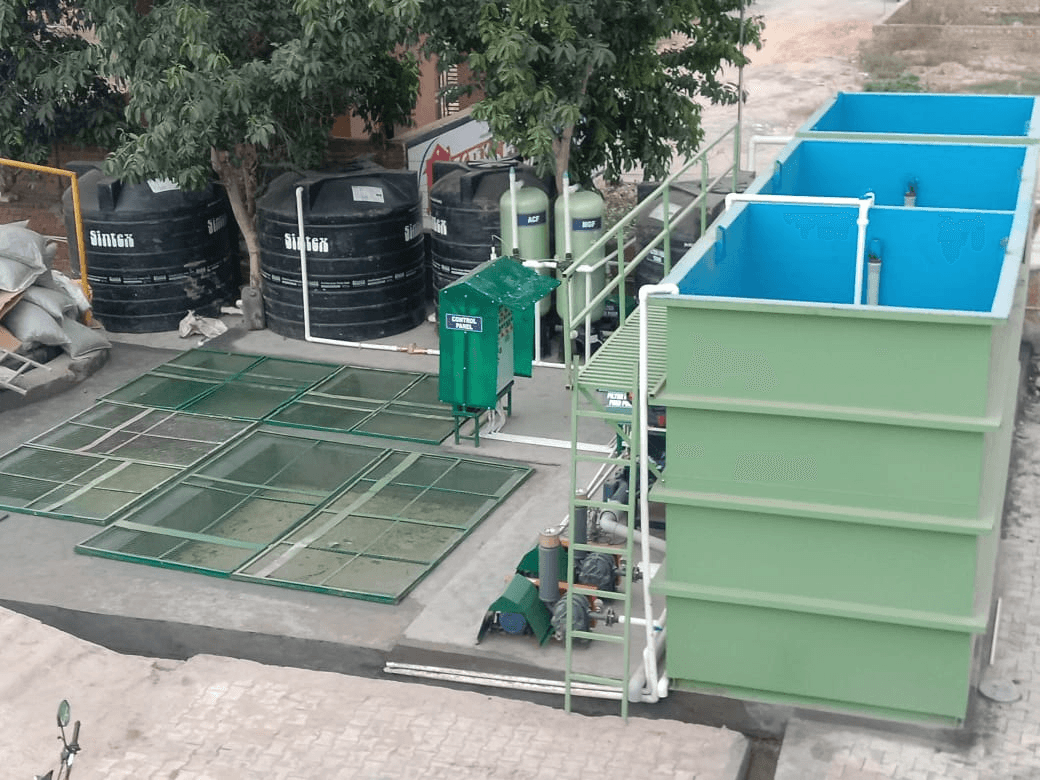
RevoNext Waters designs Effluent Treatment Plants (ETP) for textile, pharmaceutical, food processing, and chemical industries in Karnataka and across South India. We build physicochemical, electrocoagulation, and DAF-ETP systems matched to your specific effluent profile.
- ISO Certified
- Govt Approved Vendor
- SCADA Automation Experts
- In-House IoT Platform
About ETP
What Is an Effluent Treatment Plant?
An Effluent Treatment Plant (ETP) treats industrial process wastewater before it is discharged to sewers, drains, or water bodies. Unlike domestic sewage which has relatively predictable characteristics, industrial effluent varies widely: high colour in textile effluent, heavy metals in electroplating, high TDS in chemical manufacturing, and animal fats in food processing.
KSPCB issues consent to operate only if a compliant ETP is in place. Failure to maintain an operational ETP risks closure notices, legal action, and reputational damage. RevoNext Waters designs ETPs that are engineered for your specific effluent, not a generic system installed to satisfy the inspector.
What Every RevoNext ETP Includes
- Designed from your actual effluent quality data, not assumptions
- OCEMS (Online Continuous Effluent Monitoring) integration available
- ZLD (Zero Liquid Discharge) option for water-stressed industries
- KSPCB consent documentation support included
Industries We Serve
- Textile and Dyeing
- Pharmaceutical
- Food Processing
- Chemical Plants
- Metal Finishing
- Tanneries
KSPCB Consent Support
We provide the process flow diagram, design basis, and ETP operation manual needed for KSPCB consent to operate applications for all ETPs we build.
ETP Variants
Three ETP Technologies — Matched to Your Effluent
The right ETP technology depends on your effluent characteristics — TDS, colour, suspended solids, BOD, and whether metal ions or surfactants are present.
Physicochemical ETP
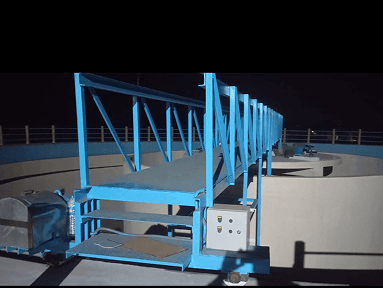
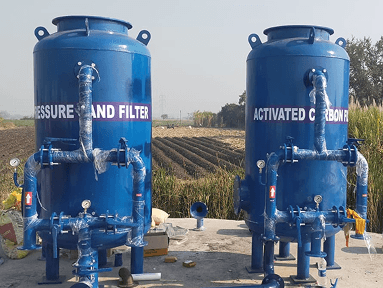
The most common ETP type. Uses coagulation, flocculation, clarification, and filtration to remove suspended solids, colour, and BOD. Suitable for textile, food processing, and general industrial effluent.
- Coagulation with alum or FeSO4
- Flash mixer and clariflocculator
- Lamella clarifier for solids removal
- Activated carbon polishing
Electrocoagulation ETP
Uses electrical current through metal electrode plates to generate coagulants in-situ. Highly effective for emulsified oils, heavy metals, dyes, and complexed contaminants that resist conventional coagulation.
- No chemical addition required in primary stage
- Effective on dye molecules and COD
- Compact footprint vs chemical ETP
- Suitable as pre-treatment before biological stage
DAF-ETP
Dissolved Air Flotation (DAF) uses micro-bubbles to float suspended solids, fats, oils, and greases to the surface where they are skimmed off. Preferred for food processing, edible oil, and dairy effluent with high FOG content.
- Dissolved air flotation tank
- Effective on emulsified FOG
- Compact and high throughput
- Often combined with biological polishing
ETP Specifications
Typical ETP Range
How to Get Started
Step 1: Share Your Effluent Data
Send us your current effluent analysis report: pH, BOD, COD, TSS, TDS, and any special contaminants
Step 2: Technology Recommendation
Our engineers review your data and recommend the appropriate ETP technology and capacity
Step 3: Design and Proposal
We prepare a preliminary design, layout drawing, and budget estimate for your ETP project
ETP Range We Cover
Frequently Asked Questions
Common questions about effluent treatment plant variants, KSPCB compliance, and ZLD.
Any industry that generates process wastewater that does not meet KSPCB or CPCB discharge standards must operate an ETP. This includes textile and dyeing, pharmaceutical manufacturing, food processing, chemical plants, metal finishing, tanneries, and pulp and paper industries. KSPCB issues consent to operate only when a functioning, compliant ETP is demonstrated.
Planning an Effluent Treatment Plant?
Share your effluent characteristics — industry type, inlet COD, flow rate, and KSPCB discharge target. Our engineering team will review and respond within 24 hours.